Bold and Easy Coloring Pages for Kids
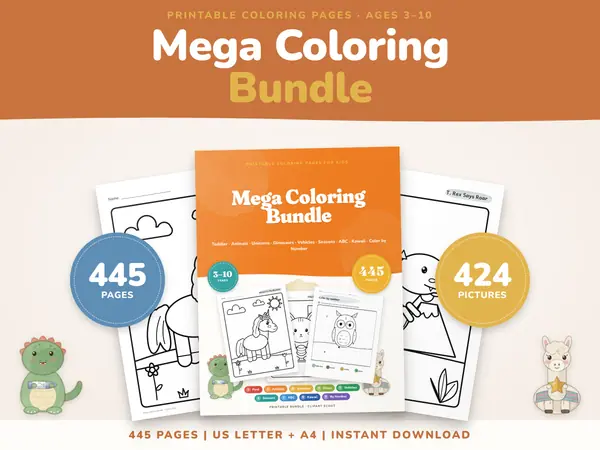
445 pagesUS Letter + A4Ages 3–10English
See price and buy on EtsyBy the Clipart Scout teamUpdated 15 words
Short answer
The basic colors in English are red, blue, yellow, green, orange, purple, pink, brown, black and white. Gray, gold, silver, turquoise and light blue are useful next. A color word goes before the thing it describes and never changes: a red car, two red cars. American English writes color and gray; British English writes colour and grey.
Colors are one of the first topics children learn in English, because they are everywhere and easy to point at. This page gives each color name with its pronunciation and a short example sentence. Tap the speaker button to hear a word.
Further down you will find a quick practice, simple ways to teach colors at home or in class, and the mistakes learners make most often with color words.
| Listen | English | Example |
|---|---|---|
| red/red/ | The apple is red. | |
| blue/bluː/ | The sky is blue. | |
| yellow/ˈjeloʊ/ | The banana is yellow. | |
| green/ɡriːn/ | The grass is green. | |
| orange/ˈɔːrəndʒ/ | The carrot is orange. | |
| purple/ˈpɜːrpəl/ | The grapes are purple. | |
| pink/pɪŋk/ | The flower is pink. | |
| brown/braʊn/ | The bear is brown. | |
| black/blæk/ | The night sky is black. | |
| white/waɪt/ | Snow is white. |
| Listen | English | Example |
|---|---|---|
| gray (British: grey)/ɡreɪ/ | The elephant is gray. | |
| gold/ɡoʊld/ | The crown is gold. | |
| silver/ˈsɪlvər/ | The spoon is silver. | |
| turquoise/ˈtɜːrkwɔɪz/ | The pool is turquoise. | |
| light blue/laɪt bluː/ | The ice is light blue. |
Look at the picture or number and choose the right English word. Ten questions each round.
Name a color and ask the child to find and touch three things of that color in the room: "Find something red." Swap roles after a few turns so the child gives the instruction and practices saying the word.
Give the child a pile of blocks, buttons, crayons or socks and a sheet of paper for each color. As each thing is sorted, say a short sentence together: "It is blue." Sorting keeps hands busy while the word is repeated many times.
Use any coloring page and give one instruction at a time: "Color the sun yellow. Color the door brown." The child listens, picks the crayon and colors. This also practices the names of the things in the picture.
With paint or play dough, mix two colors and name what you get: red and yellow make orange, blue and yellow make green, red and blue make purple. Children remember the words better when they have made the color themselves.
Point to things during the day and ask the question. Accept one-word answers at first ("Green!"), then model the full sentence: "Yes, it is green." Later, ask about favorites: "What is your favorite color?"
In English the color comes before the thing: a red car, a blue bag. "A car red" is not correct. After the verb to be, the color comes at the end: the car is red.
Color words do not change for the plural. It is two green apples and three black cats, never "greens apples". Only the noun takes the -s.
Both spellings are right. American English uses color and gray; British English uses colour and grey. Use the spelling of the books and worksheets your child works with, and keep to one.
To say what color something is, use the verb to be: "It is red." To ask, say "What color is it?" The word color is not needed in the answer.
Orange is both a color and a fruit, which can confuse beginners. A sentence makes it clear: "The orange is orange." Children usually find this funny, and it helps the word stick.
445 pagesUS Letter + A4Ages 3–10English
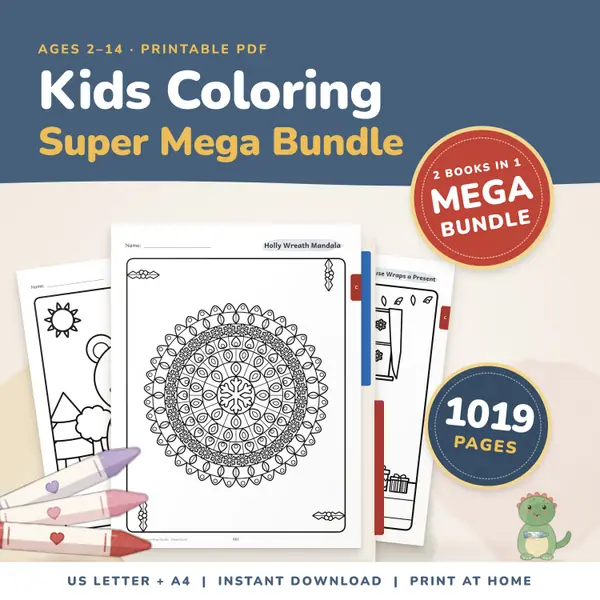
See price and buy on Etsy1,019 pagesUS Letter + A4Ages 2–14English
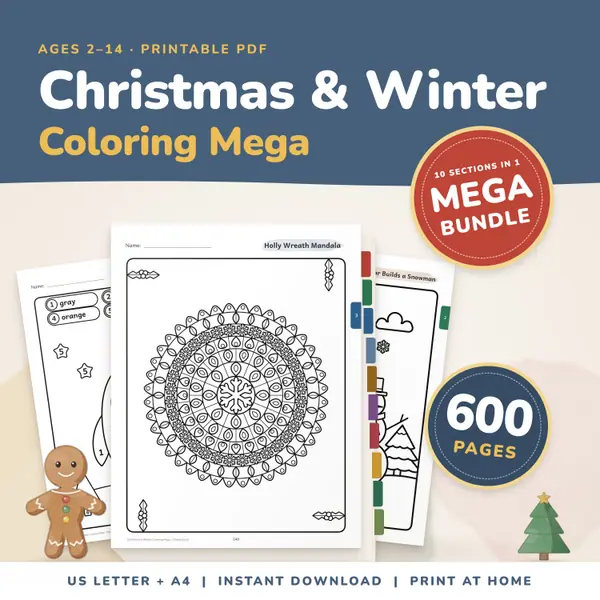
See price and buy on Etsy600 pagesUS Letter + A4Toddler & Teens & adultsEnglish
See price and buy on EtsyRed, blue, yellow, green, orange, purple, pink, brown, black and white. Gray (grey in British English) is usually taught next.
Both are correct. Color is the American spelling and colour is the British spelling. The same difference appears in gray (American) and grey (British).
Before the noun it describes (a yellow bus, a white cat) or after the verb to be (the bus is yellow). The color word stays the same for one thing or many.
Many teachers start with red, blue, yellow and green, then add orange, purple, pink, brown, black and white. Three or four new colors at a time is enough for a young child.
Teachers and parents are welcome to link to this page. Copy the address or the ready-made link.